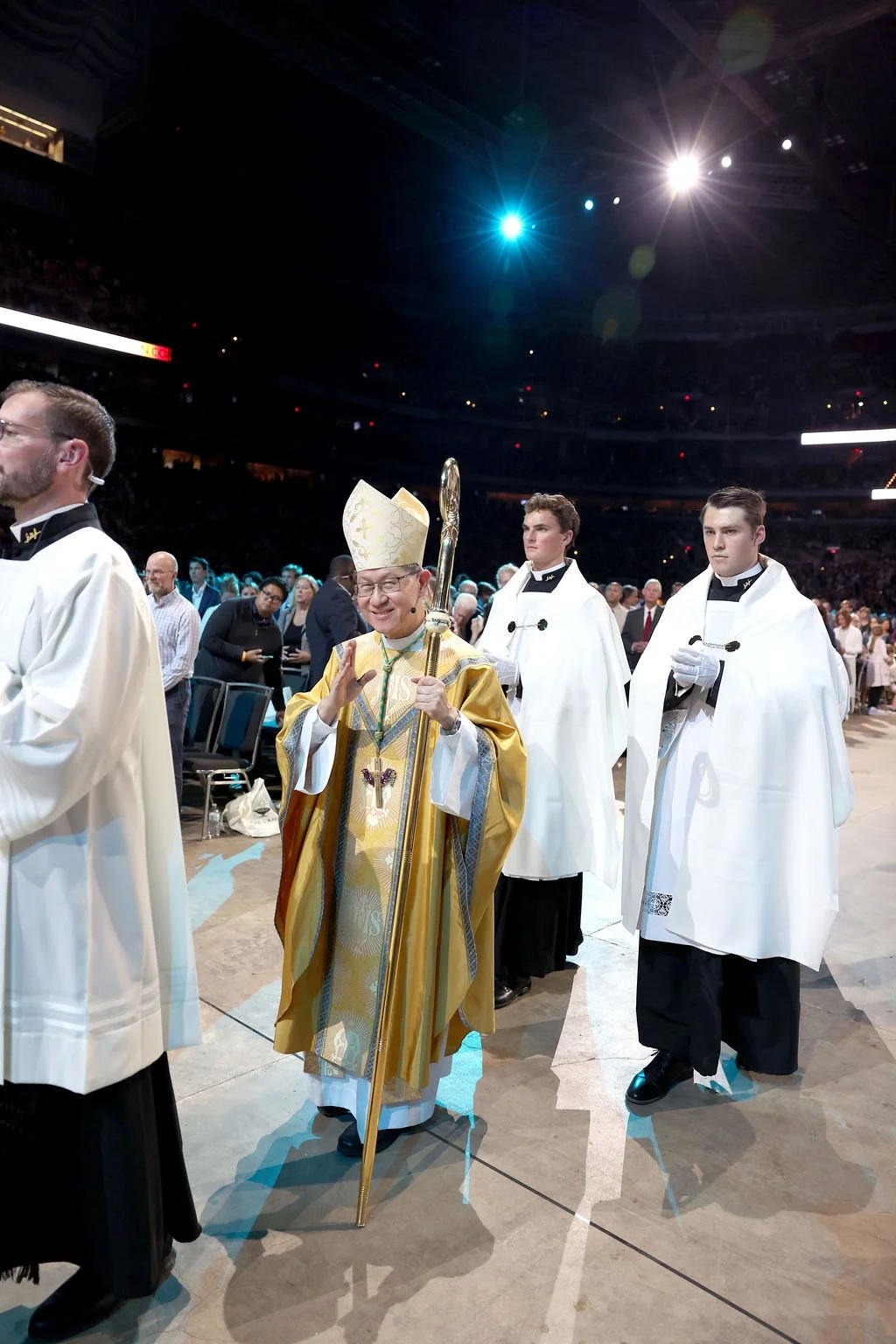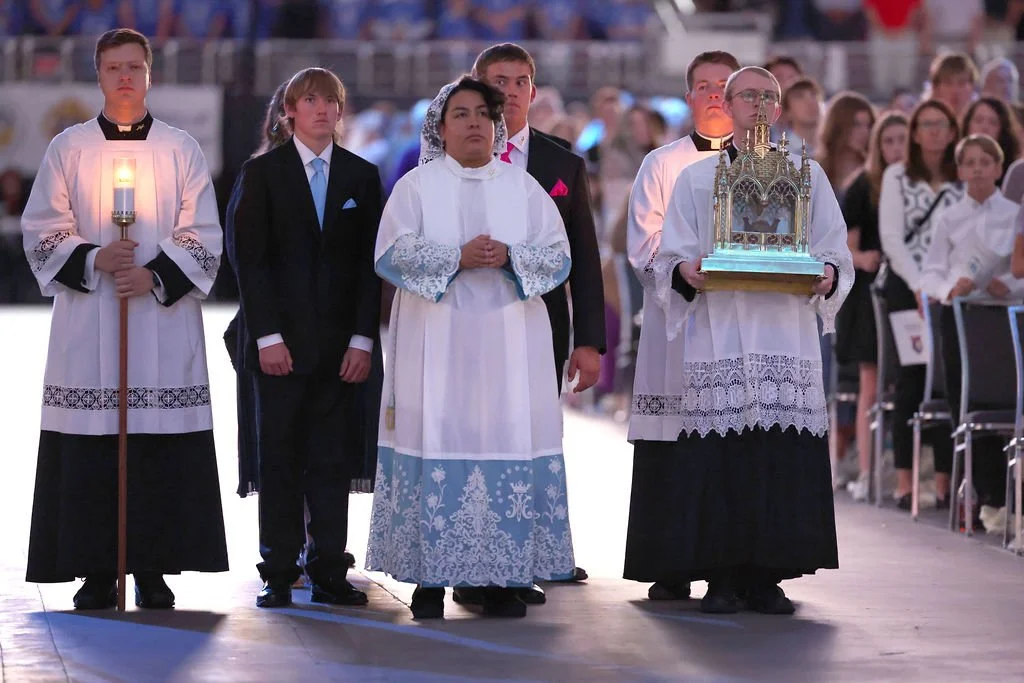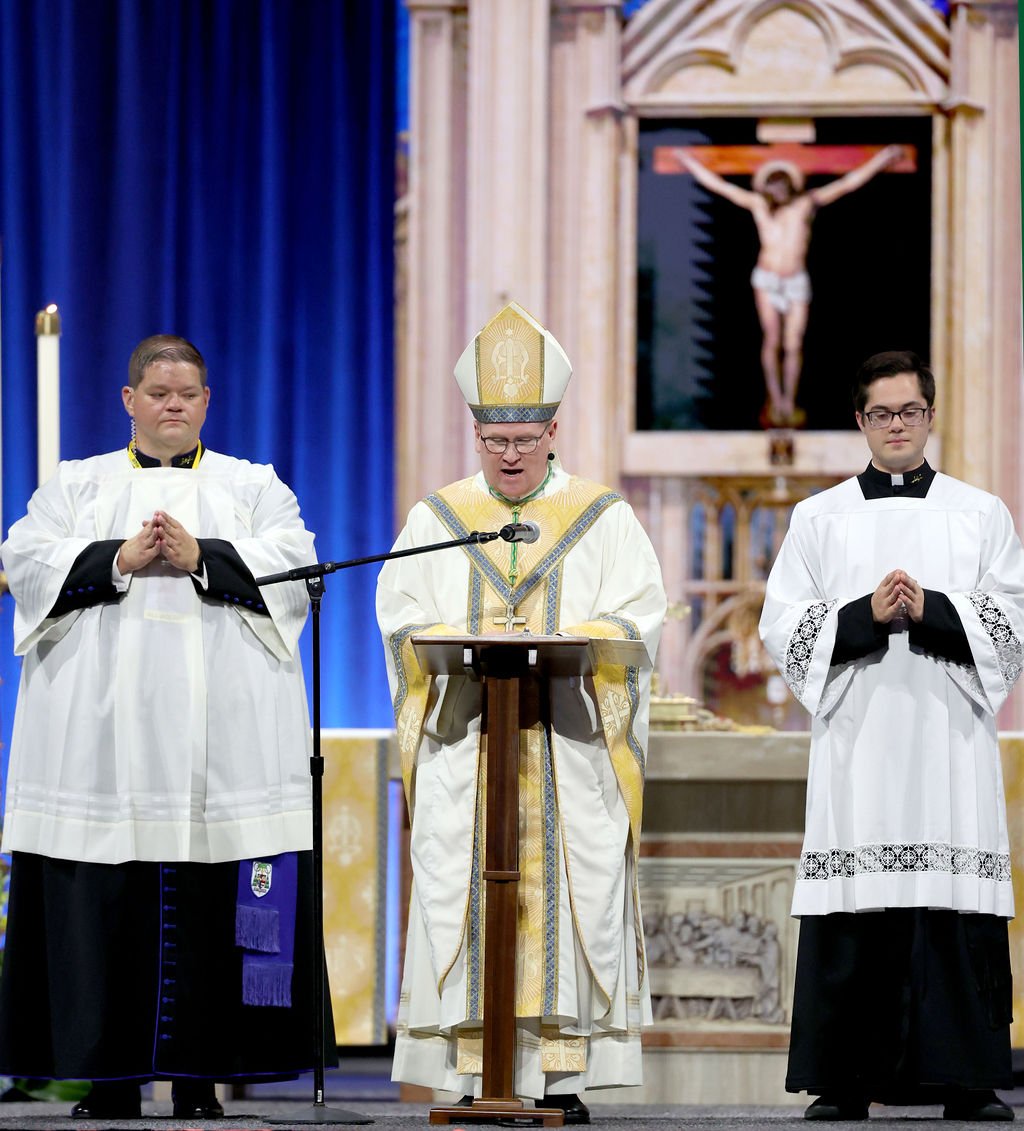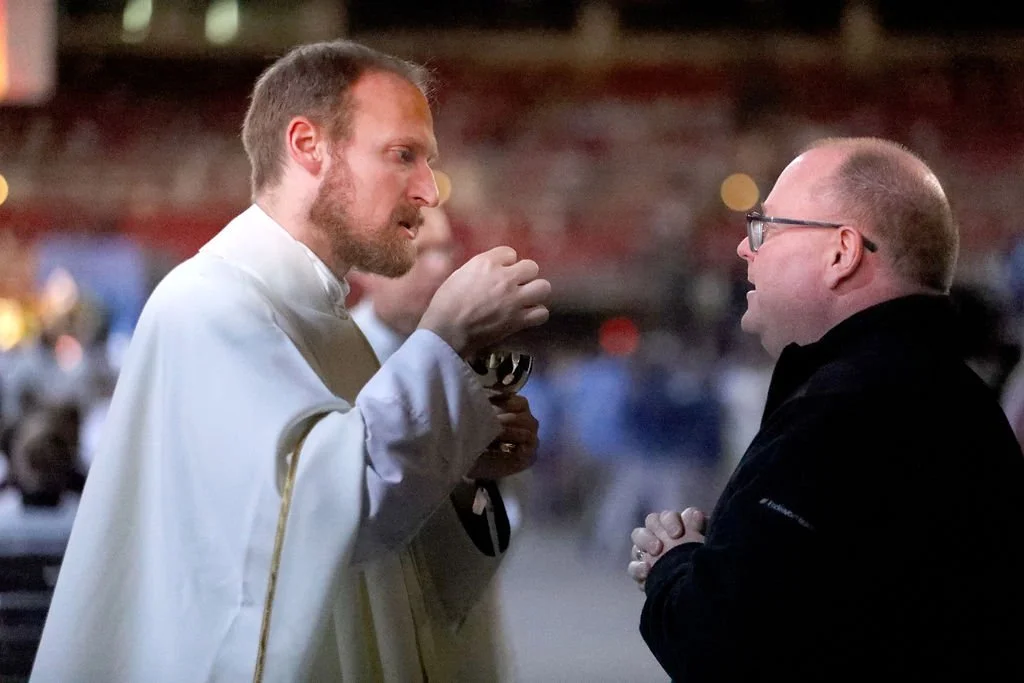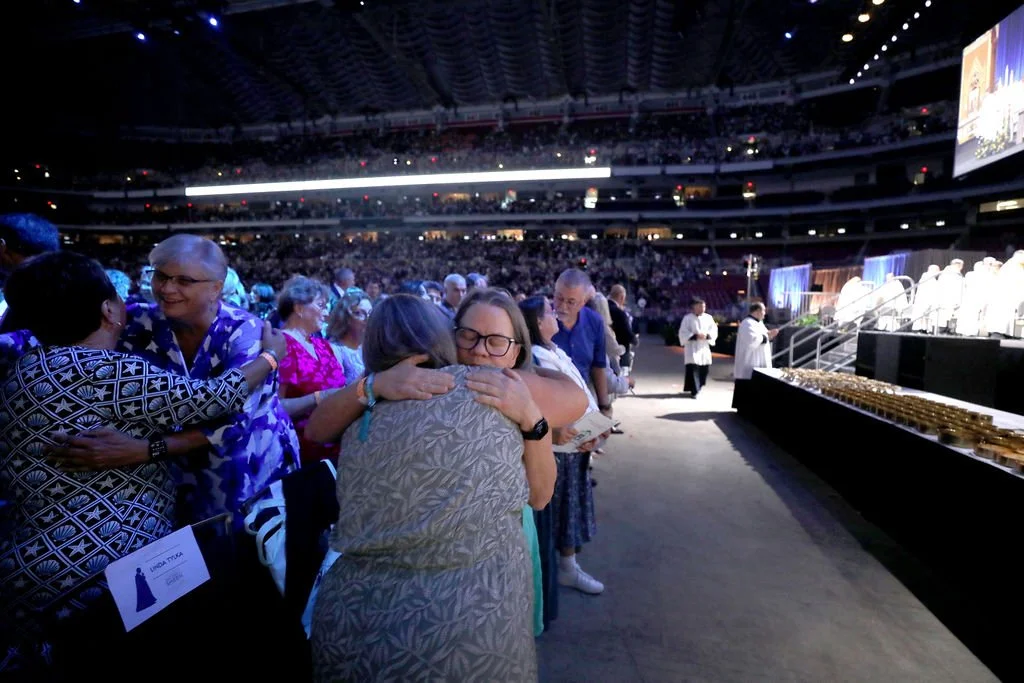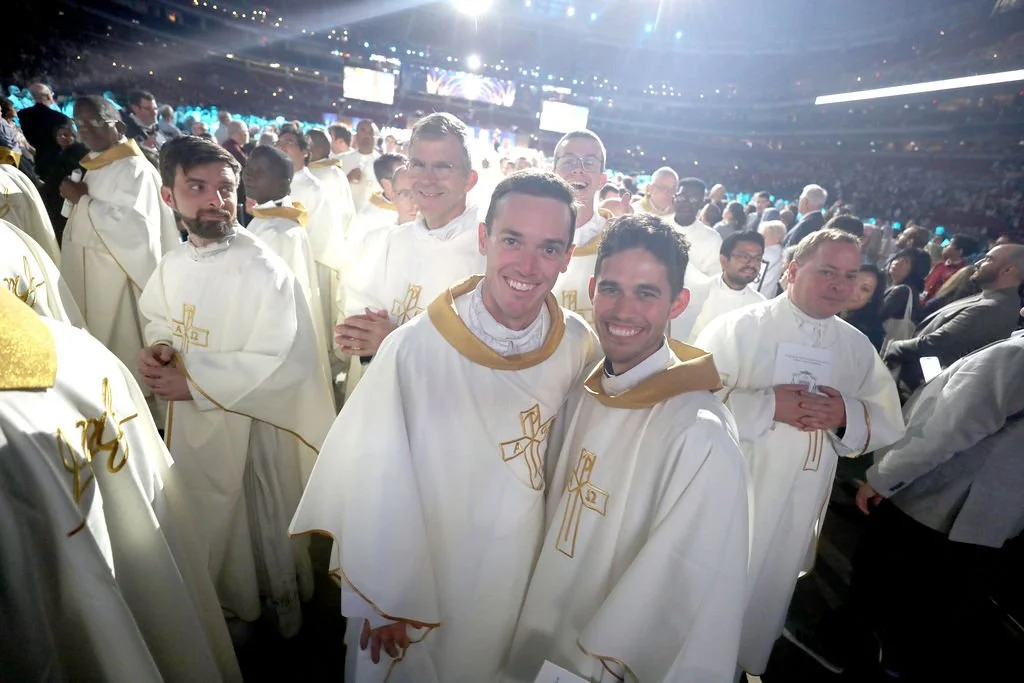
On September 24, 2026, the Catholic Church celebrated the historic Beatification of Archbishop Fulton J. Sheen in St. Louis, Missouri. Working with the Diocese of Peoria’s Office of Communications, KPC developed and implemented a comprehensive communications and media relations strategy to raise awareness of Blessed Sheen’s life and legacy, encourage attendance, and support communications before, during and after the Beatification.
Challenge
The Beatification presented a unique communications challenge: generating widespread interest in a major Catholic celebration while helping new audiences understand the relevance of Fulton Sheen’s life and legacy.
With less than seven months from the announcement to the Beatification Mass, Communications needed to build momentum, fill The Dome at America’s Center, engage younger and non-Catholic audiences, and manage significant national and international media interest. An ambitious schedule of additional events in Peoria and St. Louis added to the scope of the effort. At the same time, Communications needed to address transparently the years-long delay in the Beatification process while keeping the focus on bringing people to Jesus Christ.
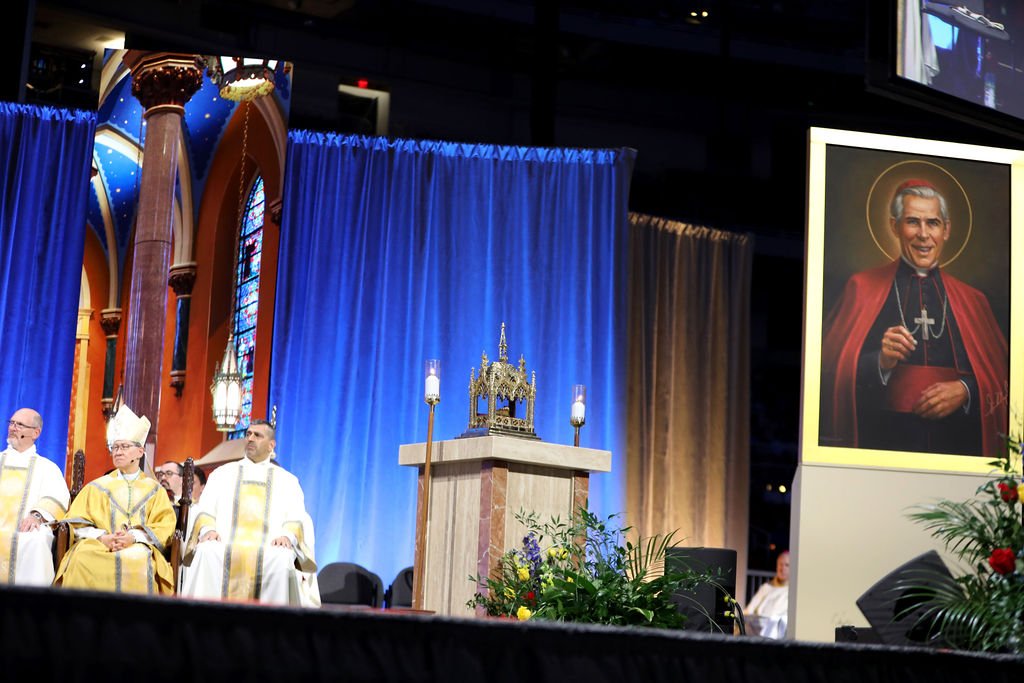
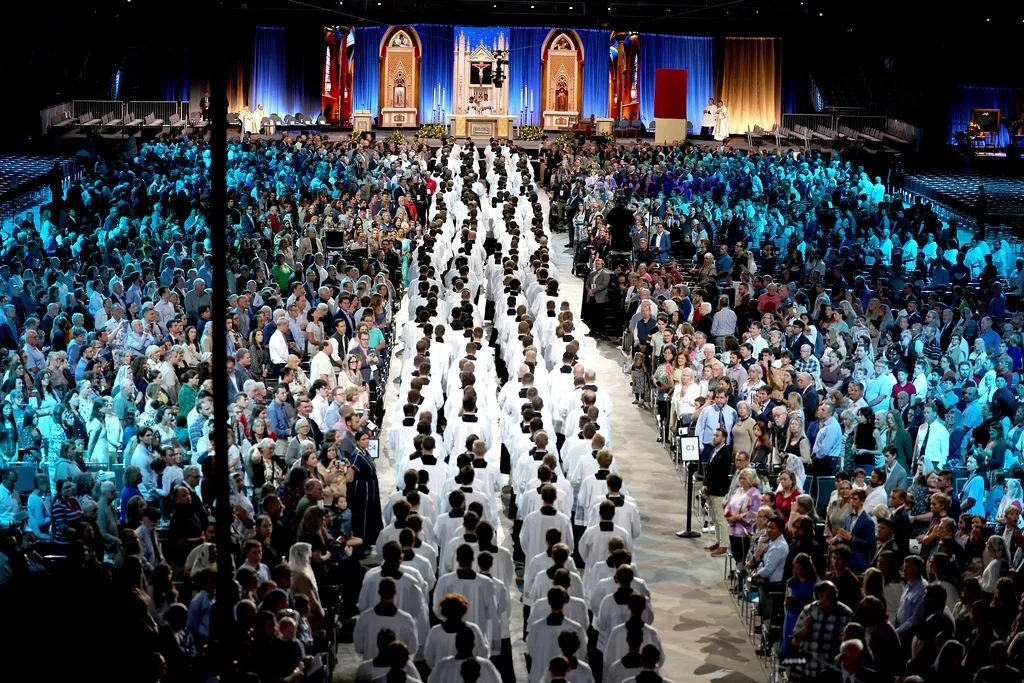
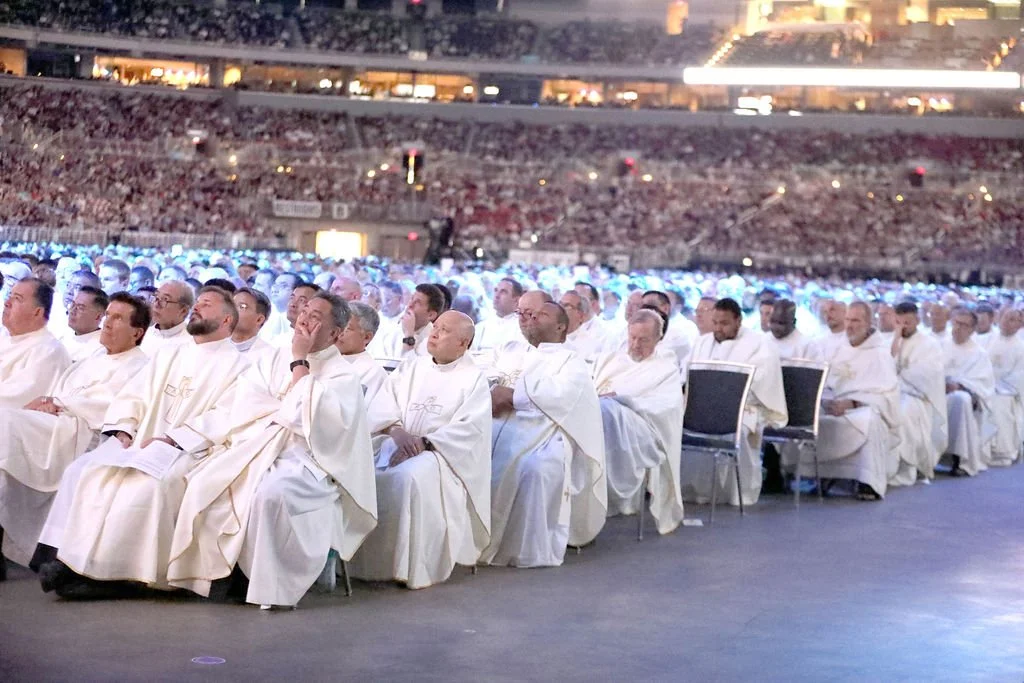
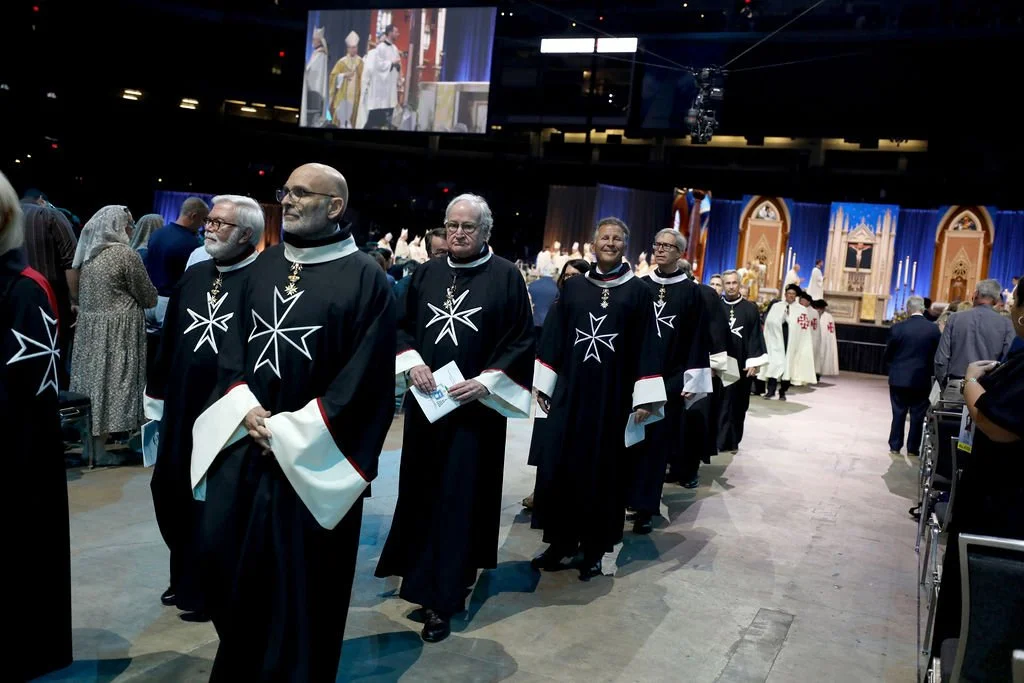
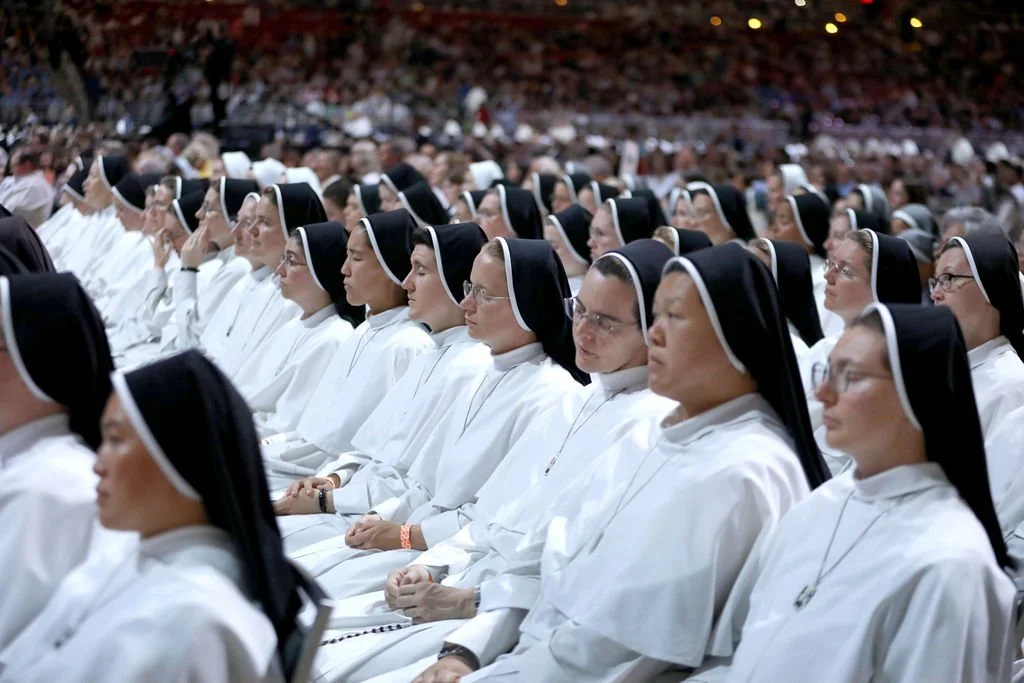
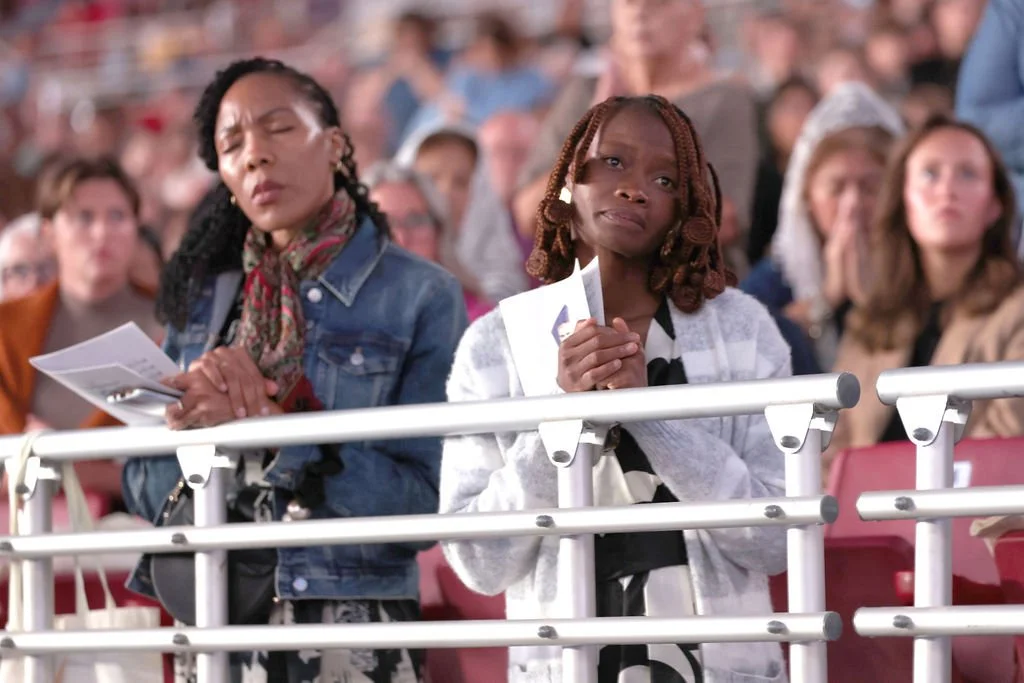
Despite a series of unforeseen complexities in working among multiple organizations, such as overlapping responsibilities, varying information, changing priorities and compressed deadlines, the Holy Spirit led us to the most awe-inspiring experience the Church has seen in decades, with 51,000 tickets issued and 173 journalists in attendance. The celebration brought together 89 bishops, approximately 1,000 priests, 240 deacons, 850 seminarians and 850 religious, creating a powerful witness to the enduring legacy of Archbishop Fulton J. Sheen and the unity of the universal Church.
Solution
KPC collaborated with the communications team to implement a multiphase strategy to build awareness, encourage attendance, maximize media coverage and support journalists throughout the Beatification.
Strategic Messaging and Storytelling
Rather than treating the Beatification as a one-day event, Communications told Sheen’s story over time, highlighting his groundbreaking work in broadcasting, commitment to evangelization, spiritual life and continued relevance. Messaging was tailored to different audiences, giving Catholic and secular media multiple ways to connect with his life and legacy.
Proactive Media Relations
The team used news releases, media advisories, interviews, background materials, opinion pieces and targeted outreach to build local, national and international interest. The Most Reverend Bishop Louis Tylka, Bishop of Peoria, and Monsignor Jason A. Gray, Pastor of Sacred Heart Parish and Executive Director of the Archbishop Sheen Foundation, served as principal spokespersons, bringing different but complementary perspectives to the story and speaking authoritatively about the significance of Sheen’s life and Beatification. Their responsiveness to interview requests, questions and approvals helped the team make the most of media opportunities, even on tight deadlines.
Public Engagement and Ticket Promotion
Communications led an ongoing campaign to promote attendance through ticket announcements, diocesan and parish networks, social media, and targeted outreach to Catholic organizations and communications offices. Tailored communications for clergy, seminarians and attendees covered registration, participation, venue policies and schedules while building excitement for attending this historic moment in the life of the Church.
Media Credentialing and Event Preparation
As the event approached, KPC collaborated with the communications team to manage media credentialing, coordinate access and locations, prepare journalist instructions and organize coverage for Vespers, the pre-Mass news conference, the Beatification Mass and related events.
On-Site Media Relations
Experienced Catholic communications professionals and volunteers supported journalists with access, logistics, interviews and questions throughout the day. A pre-event walk-through, written instructions and clear assignments prepared volunteers to support specific journalist groups and media locations. This structure helped the team respond quickly, resolve issues and meet security, operational and liturgical requirements.
Post-Event Communications and Evaluation
Communications supported related celebrations, prepared follow-up communications, recognized volunteers and partners, and gathered participation and media information. Journalist feedback and an internal debrief identified successes and opportunities to improve coordination, information sharing and decision-making for future events.
Key Takeaways
-
Communications must be involved in strategic planning from the beginning.
Clear objectives, reliable information and the latitude to exercise professional expertise allow the communications team to anticipate needs, identify opportunities and work strategically.
-
Experienced communicators are essential.
The communications team’s experience enabled them to manage a complex project without having to develop media relations capabilities during event execution. Seasoned Catholic communications volunteers were especially valuable for their understanding of both journalism and the Church.
-
Responsive leadership and timely decisions strengthen communications.
Accessible, knowledgeable spokespeople and an efficient decision-making process allow Communications to respond quickly to journalists, accommodate interview requests, pursue media opportunities and provide timely, accurate information to attendees and the media.
-
Early collaboration and clear roles are fundamental.
Major stakeholders should come together early to establish shared priorities, clarify responsibilities and decision-making authority, and define lead roles and approval processes for major functions.
Photo Credits: Nellie Photography